
Campaign Concepts
Turn an early campaign direction into moving material that can be discussed and evaluated.
Turn text or an existing image into a short AI video with MiniMax H3 Max. Generate, preview, and refine campaign ideas, product visuals, cinematic concepts, and social creative in one workspace.
Input · Configure · Generate · PreviewChoose a model, add text or an image, set the output options, and generate your video without switching tools.
When MiniMax H3 Max finishes the video, the result appears directly in the preview.
Watch the entire clip rather than judging only the opening frame. Does the main idea read clearly? Does the subject have enough visual presence? Does the composition work in the selected format? Does the result feel useful for the purpose that motivated the generation?
The preview gives you a concrete piece of moving content to evaluate. From there, the decision becomes simple: keep the result, download it when ready, or change one part of the setup and create another version.
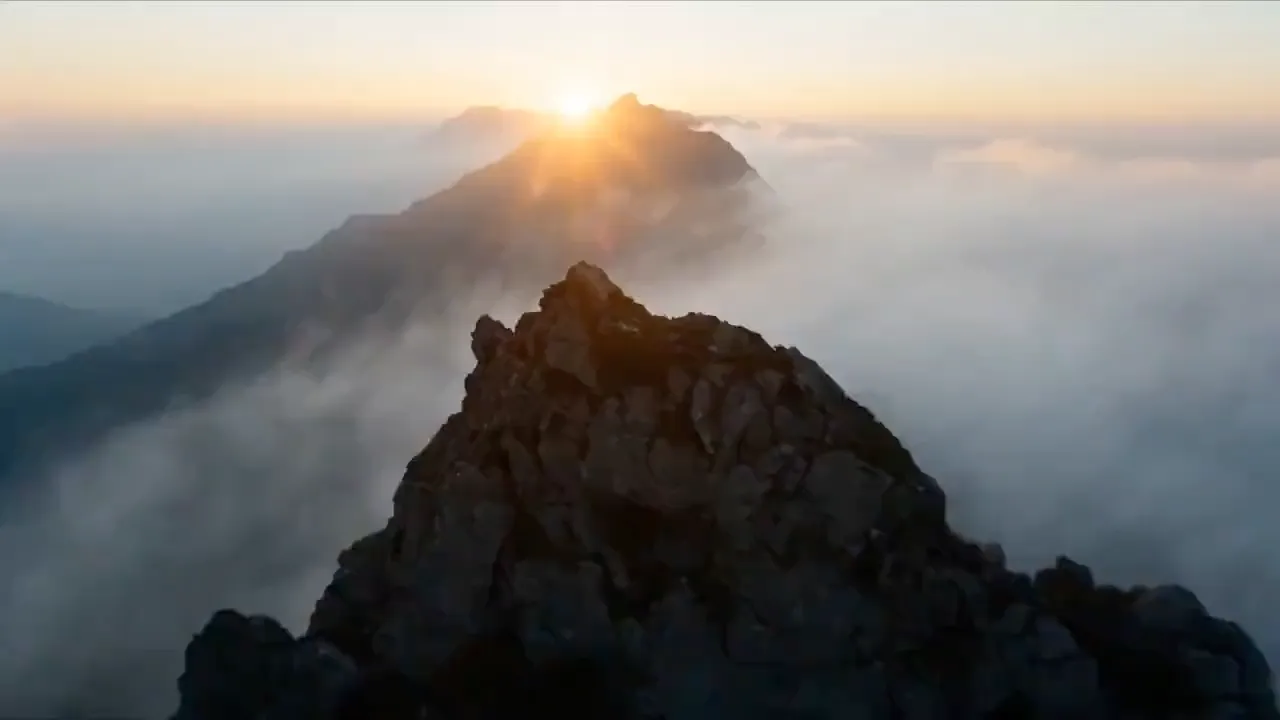
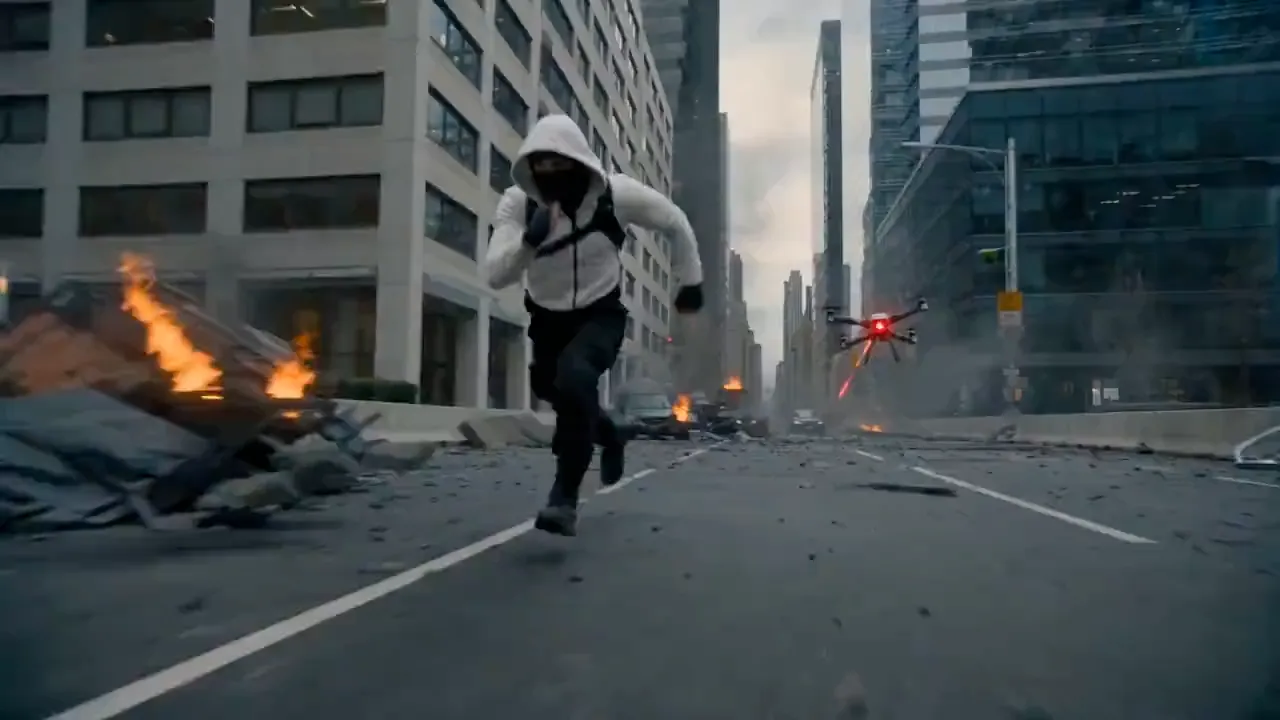

Creative ideas often feel complete while they exist in your head. The real test begins when the idea starts moving.
MiniMax H3 Max gives you a way to create that first visual version without building an entire production around an untested concept.
A campaign direction can become a short moving reference. A product concept can become an early visual asset. A cinematic idea can become a scene that other people can watch instead of imagine. A character moment can become a concrete piece of motion.
The purpose of the first MiniMax H3 Max generation is not necessarily to create the final deliverable. Its first job is to make the idea visible.
Once the video exists, you can evaluate the concept with much more useful information than a written description alone can provide.
A useful generated clip should have a reason to exist. Before starting MiniMax H3 Max, decide what the video needs to do.
Maybe it needs to introduce a product. Maybe it needs to establish a setting. Maybe the purpose is to communicate a character moment. Maybe it needs to function as a visual hook for short-form content. Maybe it only needs to help a creative team understand the direction of a larger idea.
That purpose helps simplify the generation. You do not need to solve every part of the final production inside one clip. Instead, create the visual that answers the most important question first.
MiniMax H3 Max becomes more useful when each generation is tied to a specific creative objective rather than being treated as an open-ended experiment.
Not every project begins from the same point. Sometimes the idea exists only as words. Sometimes a useful visual already exists.
MiniMax H3 Max supports both types of starting point through the shared generation workspace. If the visual direction is still open, begin from text. If the project already has a useful image, choose the image-led workflow instead.
The decision is simply about what material you have when the project begins. Explore detailed text-only creation in the dedicated text to video tool, or follow the starting-image workflow on the image to video page.
MiniMax H3 Max remains the main generation surface where both paths come together.
A video is not created in isolation. Where it will eventually appear should influence how the result is prepared.
A wide composition may be appropriate for cinematic concepts, websites, presentations, or horizontal campaigns. A vertical composition may make more sense for mobile-first creative. A square frame can create a different balance for compact publishing environments.
MiniMax H3 Max allows supported output decisions to be made before the video is generated. That matters because composition is part of the creative result.
Generating inside the intended frame is usually more useful than creating a completely different composition and expecting a later crop to solve everything. The available output options keep that decision clear as part of the generation workflow.
MiniMax H3 Max can support several kinds of creative output. The useful question is not how many clips you can generate, but which generated clip actually moves the project forward.
Turn an early campaign direction into moving material that can be discussed and evaluated.
Create short visual interpretations around products, launches, and branded concepts.
Turn a simple character idea into a scene that communicates through motion.
Explore atmosphere, environment, movement, and visual direction before committing to a larger production.
Create compact pieces designed around short-form viewing.
Use generated motion to communicate a creative idea more clearly to collaborators, stakeholders, or clients.
A strong opening frame does not guarantee a useful video. MiniMax H3 Max should be evaluated as motion.
Watch from beginning to end. Start with the central creative idea. Did the clip communicate what you wanted it to communicate?
Then look at the overall viewing experience. Is the subject easy to follow? Does the composition work? Does the pacing support the purpose? Does the result feel complete enough to use, present, or continue developing?
For a deeper quality assessment of the model itself, read the dedicated MiniMax H3 Max review. Here, the main decision is what to do with the generated result.
A first generation often reveals something that was difficult to know beforehand. Maybe the central idea works but the framing does not. Maybe the visual direction is strong but the project needs a simpler event. Maybe a different starting input would better support the concept.
MiniMax H3 Max makes another generation easy, but the goal should not be endless random variation. Choose one useful change. Generate again. Compare the results.
When the second version improves the specific problem you identified, the iteration has taught you something. That is a more productive use of MiniMax H3 Max than replacing the entire concept after every generation.
Create → Watch → Decide → Change → Create Again
A useful AI video workspace should make the current generation easy to understand.
MiniMax H3 Max keeps the active model, source, creative input, available output controls, generation action, and preview close together. That reduces unnecessary setup. It also makes the relationship between the input and result easier to understand.
If the generated clip needs another version, the original setup remains visible. You can change the relevant decision and continue.
This is the homepage's main product value: a focused path from creative intent to a generated result.
For specialized workflows, explore the AI video generator with sound or the complete guide on how to use MiniMax H3 Max.
Begin with the creative material appropriate for the project.
Select the available format and generation options.
Use MiniMax H3 Max to create the video.
Watch the result, keep it when it works, or make a focused change before another generation.
Compare the available one-time credit packs and select the balance that fits your expected generation volume.
A focused creative test run
$9.90one-timeFirst projects and quick tests
Buy 200 creditsMore room for ongoing ideas
$29.90one-timeRegular creative exploration
Buy 650 creditsBuilt for higher generation volume
$99.90one-timeLarger project workloads
Buy 2,500 creditsMiniMax H3 Max can be used to create short AI video for campaigns, products, characters, cinematic concepts, social creative, visual pitches, and other projects where moving content is useful.
Select MiniMax H3 Max in the generator, choose the starting method, provide the required input, set the available output options, and select Generate Video.
Yes. Use the text-led workflow when the video begins from an idea rather than an existing visual. The dedicated text-to-video page provides more detail about that workflow.
Yes. Use the image-led workflow when you already have a visual starting point. The dedicated image-to-video page covers that process in detail.
H3 Max retains native synchronized audio-video capability. For workflows focused specifically on ambience, effects, dialogue, or music, use the dedicated AI video generator with sound page.
Yes. Review the first result, change the part of the setup that needs improvement, and generate another version.
Use the complete how to use MiniMax H3 Max guide for the step-by-step operating workflow.
Choose the available aspect ratio and output settings that fit the intended screen, then review the generated clip before publishing.
Change one meaningful decision at a time, such as the action, framing, source image, or camera direction, and compare the next version.
Open the pricing page to compare current credit packs, unit costs, and the balance that fits your planned generation volume.
Prepare the input, choose the output, generate the clip, and turn the creative idea into something you can actually watch.